

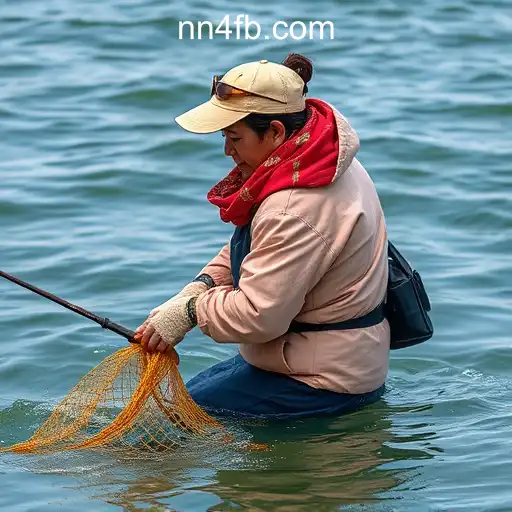
Exploring the Rich World of Fishing: More Than Just a Hobby
Fishing has transcended its humble origins as a survival skill to become a beloved pastime and a significant component of various cultures worldwide. From serene lakes to the bustling oceans, this activity brings not only an opportunity for leisure but also a moment of connection with nature. The following exploration into the world of fishing reveals how it is more than just a hobby—it is a historical, economical, and recreational pillar in societies worldwide.
The Historical Significance of Fishing
Fishing is an ancient practice, its origins tracing as far back as 40,000 years. Early civilizations, dependent on waterways for sustenance, mastered the art of catching fish to feed their communities. This necessity led to the development of various methods and tools, from simple nets and hooks to elaborate traps. Over time, these inventions showcased the ingenuity of different cultures, forming the foundation of modern fishing techniques.
The Evolution of Fishing Techniques
Through the ages, fishing has continually evolved. Traditional methods have been refined, integrating advancements in technology and material science. For instance, the bamboo fishing rods of ancient China have morphed into the sleek, carbon-fiber rods used today. Similarly, the simple nets once woven by hand have been replaced by industrial tools that optimize catch sizes and efficiency.
The Role of Fishing in Cultural Development
Fishing is deeply interwoven with cultural practices and heritage. Rituals surrounding fishing not only serve practical purposes but also symbolize deeper spiritual connections. In Japan, the concept of "ama" dives into ancestral traditions where women learned to dive and harvest seafood without the assistance of modern gear. This cultural heritage continues to be a testament to how fishing enriches cultural narratives.
The Economic Impact of the Fishing Industry
Beyond its cultural significance, fishing plays a crucial economic role. It's a significant source of livelihood for millions around the globe. The industry's impact on global economies cannot be understated, as commercial fishing generates billions of dollars annually. This economic benefit extends from fishing fleets, equipment manufacturers, seafood processors, to even the tourism sector.
Fishing as a Sustenance and Income Source
For many communities, especially those in coastal and island regions, fishing remains a vital economic lifeline. Families rely on the daily catch not only for food but also as a source of income, selling surplus fish in local markets. Moreover, artisanal fisheries employ traditional methods to offer sustainably caught fish, attracting niche markets focused on environmental stewardship.
The Global Fishing Market
The commercial fishing industry thrives on a global scale, involving a vast network of trade and commerce. With the demand for seafood rising, the market's importance is magnified. Countries with access to rich fishing grounds, like Norway and Japan, lead the exportation of fish and fish products, solidifying their positions in the global market.
Fishing as Recreation and Sport
In the realm of recreation, fishing provides unique experiences and leisure opportunities, attracting millions of enthusiasts worldwide. The calming nature and the thrill of the catch make it an ideal outdoor activity. Recreational fishing ranges from solitary angling to participating in competitive sport fishing, where anglers vie for the largest or rarest catches.
Recreational Fishing and Eco-Tourism
The rise of eco-tourism has seen many travelers embark on fishing expeditions, eager to experience different ecosystems and the biodiversity they support. Whether it's fly-fishing in a mountain stream or deep-sea fishing excursions, these experiences not only promote relaxation but also foster a deeper understanding of environmental conservation.
Sports Fishing: A Competitive Arena
Sports fishing has carved out its niche with tournaments offering substantial prizes and global recognition. Events like bass fishing competitions attract large audiences, highlighting the skill and patience required. This competitive aspect propels innovations in fishing gear and techniques, further evolving the field.
Sustainable Practices in Fishing
As with any industry, sustainability has become a vital aspect of modern fishing practices. Overfishing poses threats to marine ecosystems, leading to calls for more stringent regulations and sustainable practices. Organizations and fisheries worldwide are adopting measures to balance economic needs with environmental protection.
The Importance of Sustainable Fishing
Implementing quotas, employing selective fishing methods, and observing closed seasons are some practices that help mitigate the impact of fishing on vulnerable species. Additionally, promoting sustainable aquaculture provides a viable alternative to wild-catch fishery, helping to ease the pressure on natural stocks and ensure the longevity of the industry.
Innovative Approaches to Conservation
Technological advancements have spurred more effective conservation efforts. Using satellite technology and AI, monitoring fish populations and patterns to prevent over-exploitation has become more precise. Such innovations reflect a growing awareness and responsibility towards conservation, showing a commitment to preserving the ocean’s resources for future generations.
The world of fishing offers a complex tapestry of tradition, economics, leisure, and sustainability, emerging as a multifaceted domain that continues to captivate and sustain humanity. As practitioners and policymakers embrace innovation and responsibility, fishing’s legacy promises to endure as a vital element of human society. Experience the fascinating diversity of fishing firsthand by visiting NN4.com Oficial Slots Brasil #1, a platform dedicated to the thrill of the catch and more.